
Pet Stations Built Into Kitchen Cabinetry: Feeding, Washing, Stowing
Somewhere in the last decade, pet storage stopped being an afterthought and became a line item. Roughly half the kitchen plans that come through our showrooms now include something for a dog or a cat — a feeding nook, a food bin, a leash cabinet, occasionally a full wash station. Some of these are excellent additions. Some are a good idea in the wrong location that the client removes within two years. Here's how to tell the difference before you build it.
Start with where the bowls go — and where they don't
The most common request is a recessed feeding nook: a toe-kick-level alcove with bowls set into a solid surface. Before we draw one, we ask where the dog currently eats and what the traffic pattern is, because a badly placed feeding station creates two problems at once.
Bad locations: in the main galley aisle where you'll step over a dog while carrying a pot; at the end of an island where the bowls sit in the walking path; directly under the sink or dishwasher, where steam and drips land in the food; and inside a cabinet that has to stay open during meals, defeating the point.
Good locations: at the end of a run against a wall, out of the work triangle; in a mudroom or entry cabinet run adjacent to the kitchen; in the toe kick of an island's non-seating end where the dog can eat with its back to a solid panel; and in a butler's pantry or scullery if you have one.
Dimensions. A recessed nook for a medium dog wants roughly 24 inches wide, 12 to 14 inches deep, and 10 to 14 inches high of clear opening. A large breed needs the bowls raised — elevated feeding at roughly 15 to 20 inches for a big dog reduces neck strain — which means the nook moves up into the base cabinet rather than the toe kick, and a pull-out platform is the better solution.
The pull-out feeding drawer
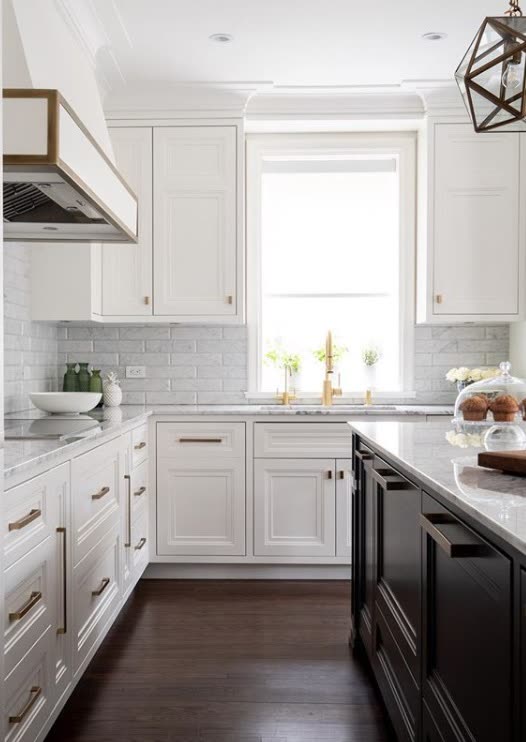
My preferred solution in most kitchens: a base cabinet drawer with two bowls dropped into cut-outs in a solid surface top, which slides out at mealtimes and closes the rest of the day. It keeps the floor clear, keeps the bowls out of the cat's reach or the dog's reach depending on who's the problem, and it removes the visual of two dishes on the kitchen floor.
Specifications: a drawer at least 24 inches wide and 20 inches deep interior, on heavy-duty full-extension slides rated to at least 100 lbs — a drawer full of water sloshing on a light slide will fail. The top should be a solid surface or stainless insert with radiused bowl cut-outs, removable for cleaning, and the drawer interior should be waterproof, because water gets everywhere. We build these with a sealed laminate liner and a silicone bead at every seam.
One caution: dogs learn to open drawers. If yours is that kind of dog, a push-latch is not your friend; use a pull that requires a grip.
Food storage that stays sealed
A 30 lb bag of kibble is an awkward object and a magnet for pantry moths and mice. The right answer is a dedicated container inside cabinetry, not a bag in a cupboard.
Options that work: a tall pull-out with two sealed bins (the same hardware family as a double trash pull-out — a 15 or 18-inch unit holds 30 to 40 lbs of food and a separate bin for treats); a deep drawer with a lidded food-grade container sized to the interior; and for multi-pet households, a 24-inch pull-out with three bins. Budget roughly $400 to $900 including the mechanism and containers.
Two details that matter: the container must have a gasketed lid, because kibble oils go rancid and the smell will permeate the cabinet, and the cabinet should not sit against an exterior wall in a hot climate. Also line the interior with a wipeable surface. Kibble dust is greasy and it settles.
Leashes, towels, and the door cabinet
The genuinely underrated pet cabinet isn't in the kitchen at all — it's the 12 to 18-inch tall unit by the door you use for walks. Inside: hooks for leashes and harnesses at 48 to 54 inches, a shelf for a towel stack, a bin for poop bags, a shallow drawer for the collar tags and medications, and a hook for the muddy-paw towel. It costs $900 to $1,800 as part of a cabinetry run and it stops the entire dog-walking apparatus from living on a doorknob.
If your entry cabinetry is being built at the same time as the kitchen — which is how we usually do it, in one production run so finishes match — this is a small add with a large daily payoff. The same logic applies to whole-home cabinetry packages generally: the marginal cost of adding a well-designed cabinet to an existing order is much lower than commissioning it later.
Dog wash stations: the real requirements
A built-in dog shower is a genuine luxury and a genuine construction project. It belongs in a mudroom, laundry room or garage entry — not in a kitchen, where you do not want a wet dog and a food preparation surface in the same room.
What it needs: a tiled or solid-surface basin with a curb, raised 18 to 24 inches off the floor so you're not kneeling (this is the detail people skip and regret immediately), a handheld sprayer on a flexible hose, a floor drain with a hair trap, waterproofing behind the finish, and a non-slip surface. Adjacent cabinetry must be built for a wet room — sealed substrates, moisture-resistant hardware, and a toe area that can take standing water. The cabinetry parallels bathroom construction, and the substrate reasoning in vanity materials for humid environments applies directly.
Budget $4,000 to $12,000 all-in including plumbing and tile. Worth it for a household with a large or long-haired dog; excessive for a 10 lb terrier.
What I'd skip
A built-in crate under an island sounds charming and works poorly: it's dark, it's in the noisiest room in the house, it can't be moved when the dog's needs change, and it consumes cabinetry you can never repurpose. If you want one, build it as a piece of furniture with a removable panel so the space can become storage in five years.
Litter box cabinets in a kitchen: no. Ventilation and food preparation don't coexist. Put it in a laundry or bathroom cabinet with a proper cut-out and a ventilation path.
Practical takeaways
- Keep feeding stations out of the work aisle and away from sink and dishwasher steam.
- A pull-out feeding drawer on 100-lb-rated slides beats a fixed floor nook in most kitchens.
- Sealed, gasketed food bins in a dedicated pull-out — never a bag in a cupboard.
- The leash-and-towel cabinet at the door is the highest-value pet cabinet in the house.
- Dog washes belong in mudrooms, raised 18–24 inches, with drainage and waterproofing designed in.
Pet cabinetry is easy to add when it's part of the original drawing set and expensive to retrofit. Book a free 30-minute design consultation, or see how we handle specialty storage across our custom kitchens and built-in programs.