
How Much Does a Custom Kitchen Cost in 2026?
After thirty years of designing and manufacturing kitchens, this is still the first question I hear at every showroom, every consultation, every dinner party. And most of the answers you'll find online are useless, because they either quote a national average that includes builder-grade boxes from a big-box store, or they dodge the question entirely with "it depends."
It does depend. But I can tell you exactly what it depends on, and I can give you real numbers. Here is the honest picture of what fully custom cabinetry costs in 2026 — from someone who builds it.
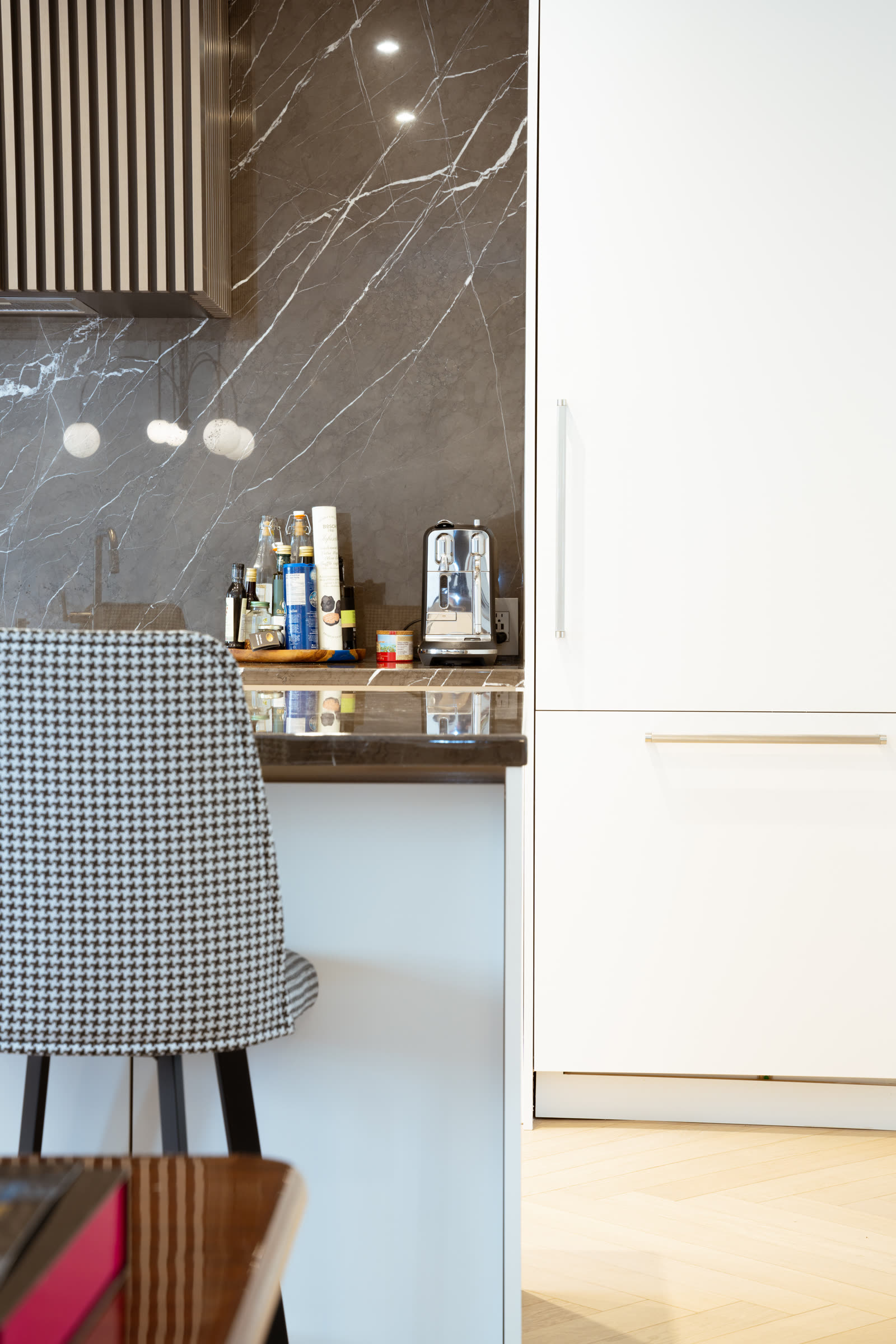
The real ranges in 2026
For fully custom cabinetry — made to your measurements, your finish, your door style, with European hardware — here is what we actually see across our nine showrooms:
- Entry custom (cabinetry only): $28,000–$45,000. A typical 10x12 to 12x14 kitchen, painted MDF or melamine-interior boxes with painted doors, quality soft-close hardware, standard interior fittings.
- Mid-range custom: $45,000–$85,000. Larger footprint or a full-height design, wood veneer or premium painted finishes, an island, panel-ready appliance integration, upgraded interior organization.
- High-end custom: $85,000–$160,000+. Rift-cut white oak or walnut, two-tone designs, butler's pantries, integrated lighting, servo-drive opening systems, stone-wrapped islands, whole-wall millwork.
Note that these are cabinetry numbers. A full renovation — countertops, appliances, flooring, plumbing, electrical, labor — typically lands at 2 to 2.5 times the cabinetry figure. If your cabinetry is $60,000, plan roughly $130,000–$150,000 for the complete project. I break down where the rest goes in our kitchen renovation timeline guide.
What you're actually paying for
A cabinetry quote is really four numbers stacked on top of each other:
- The boxes (roughly 30% of the total). Cabinet carcasses, shelving, backs. This is where cheap cabinetry cheats — thin backs, stapled corners, unbanded edges you'll never see until they swell.
- Doors and finish (roughly 35%). The single biggest cost lever. A painted slab door and a five-piece inset door in rift white oak can differ by a factor of three.
- Hardware and fittings (roughly 15%). Hinges, drawer slides, lift systems, interior organizers. We use Blum, Hettich, and Häfele exclusively — I explain why in our hardware comparison.
- Delivery and installation (roughly 20%). Skilled installers make or break a custom kitchen. A perfect box installed out of level is a crooked kitchen.
The five cost drivers that actually move the number
When a client asks me to bring a quote down — or asks why one quote is double another — it almost always comes back to these five levers:
- Linear footage and ceiling height. Cabinetry to a 9- or 10-foot ceiling adds a second row of uppers and a ladder's worth of material. Going full height can add 15–25% versus stopping at 90 inches.
- Door style. Slab is the most economical. Shaker adds joinery. Inset doors — set flush inside a face frame — require the tightest tolerances in the shop and price accordingly, usually 20–30% over full overlay.
- Finish and species. Painted finishes are mid-pack. Textured melamine is the value play that has gotten genuinely good. Natural wood veneer in white oak or walnut sits at the top — see our honest take on white oak vs walnut.
- The island. Islands carry the most expensive real estate in the kitchen: deep drawers, seating overhangs, waterfall stone, plumbing, electrical. A serious island is routinely 20% of the entire cabinetry budget.
- Interior fittings. Cutlery inserts, pull-out pantries, corner mechanisms, lift-up doors. Wonderful — and easy to add $5,000–$12,000 without noticing. Prioritize the ones you'll touch daily.
Where people overspend (and where to save)
Three decades of quotes have taught me where money hides:
- Save: door style on the perimeter. Many of our best-looking kitchens use a simpler, less expensive door on perimeter runs and spend on the island and tall units — the surfaces your eye actually lands on.
- Save: skip the appliance arms race. A $4,000 range cooks dinner. So does a $22,000 one. Cabinetry lasts 30 years; appliances last 10–15. Weight your budget accordingly.
- Don't cut: hardware. The $9 hinge and the $2 hinge look identical on day one. On year five, one still closes like a bank vault and one doesn't close at all.
- Don't cut: installation. The cheapest install quote is the most expensive decision in the project. Scribing, leveling, and aligning custom cabinetry is a craft.
- Don't cut: drawers over doors. Deep drawers cost more than shelved base cabinets and are worth every dollar, every day, for the rest of the kitchen's life.
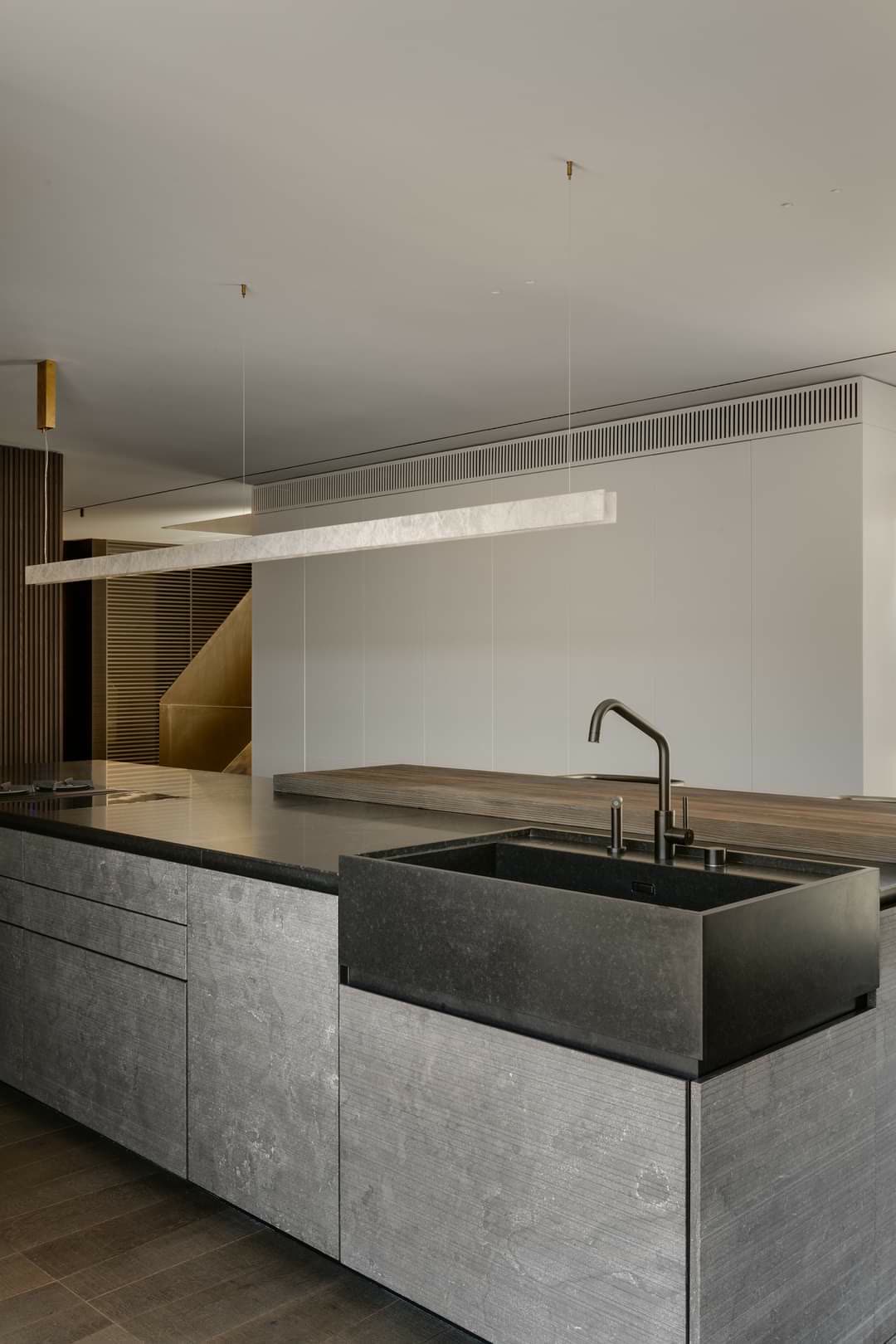
The hidden line items that ambush budgets
The quote you compare is rarely the check you write, and the gap has a predictable anatomy. When you review any cabinetry proposal, hunt for these before signing:
- Panels, fillers, and toe kicks. Finished end panels for islands and exposed cabinet sides can add $2,000–$6,000 and are routinely "excluded" from teaser quotes.
- Delivery and stairs. A Brooklyn walk-up or a Toronto condo with a booked freight elevator is real money and real scheduling. Ask explicitly.
- Crown, light rail, and scribe. The trim that makes cabinetry look built-in rather than placed. Cheap quotes omit it; finished kitchens require it.
- Old kitchen removal and disposal. $800–$2,500 that has to live in someone's budget — make sure you know whose.
- Appliance and plumbing reconnection. The installer sets cabinets; who sets the range? Undefined trades are where projects stall for weeks.
A quote with all five of these itemized is a quote from a company that has done this before. A suspiciously low number with a vague "installation included" is the most expensive sentence in renovation.
Why manufacturer-direct pricing matters
Most "custom" cabinetry in North America passes through two or three hands before it reaches you: factory, distributor, dealer — each adding 25–40%. Because iKitchen manufactures in our own facility in Canada and sells through our own showrooms, you're buying at one markup, not three. In practice that means the finish level you were quoted elsewhere at $80,000 often lands with us in the low $60,000s — or you keep the budget and move up two tiers in materials. If you're comparing quotes, read our comparison of custom vs semi-custom vs stock cabinets first, because the word "custom" on a quote does not always mean the same thing.
How the process starts: the design retainer
Our design work begins with a retainer from $3,000, credited toward your order. That covers on-site measurement, layout development, 3D renderings, material and finish selection, and a fixed, itemized quote. It exists so that both sides take the design phase seriously — and it means the price you approve is the price you pay. Production runs 8–12 weeks from final sign-off, and everything we build carries a lifetime warranty.
Practical takeaways
- Budget $28,000–$45,000 for entry custom cabinetry, $45,000–$85,000 mid-range, $85,000+ for top-tier — and roughly double it for the whole renovation.
- Door style, finish, ceiling height, the island, and interior fittings are the five levers that move a quote most.
- Spend on hardware, drawers, and installation. Save on perimeter door styles and appliance one-upmanship.
- Ask every bidder what's excluded. Delivery, install, panels, and fillers are the classic hidden line items.
- Buying manufacturer-direct removes one to two markups from the chain.
The honest answer to "how much does a custom kitchen cost" is: less than you fear if you plan well, and more than you hoped if you don't. The difference is design. Book a free 30-minute consultation with one of our designers, bring your measurements and your Pinterest board, and we'll give you a real number for your real kitchen — or start by exploring our custom kitchens.